
WGU Financial Aid, Scholarships & Payment Options Guide
Paying for college can be stressful, and many students worry about how to afford their degree. The good news is that Western Governors University offers multiple ways to help students cover tuition.
This guide explains how you can use financial aid, scholarships, and flexible payment options to make your education more affordable. You’ll learn how to apply, what’s available, and smart strategies to reduce costs.

What Financial Aid Options Are Available?
Paying for education can be challenging, but financial aid makes it easier for many students to afford their studies. Understanding your options helps you plan better and reduce financial stress.
Financial aid is usually based on your financial need, eligibility, and program requirements. At Western Governors University, students can access different types of aid, including federal aid, grants, and loans. Managing your tuition payments is a critical part of maintaining active access to your WGU Student Portal.
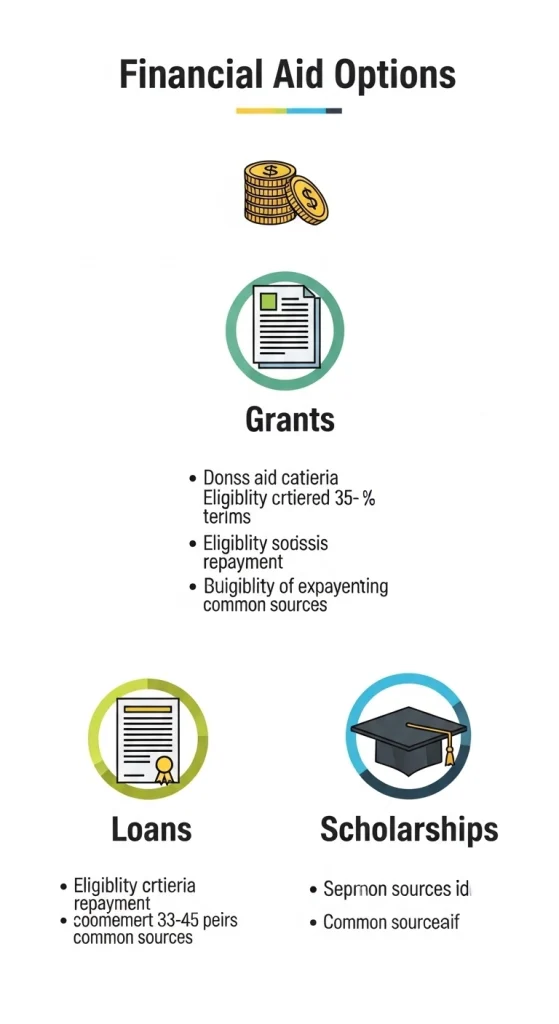

Grants
Grants are one of the best types of financial aid because they are free money that you do not need to repay.
Some common types of grants include:
- Pell Grants (based on financial need)
- Federal grants (depending on eligibility)
- State-based grants in some cases
Grants are usually awarded to students with limited financial resources, making education more affordable. You can easily monitor your award status and disbursement dates through the WGU student portal dashboard and features under the “Financial Accounts” tab.
Student Loans
If grants are not enough to cover your tuition, student loans can help fill the gap.
There are two main types of federal loans:
- Subsidized Loans
- The government pays the interest while you are studying
- You only start paying interest after graduation
- Unsubsidized Loans
- Interest starts accumulating while you are in school
- You can still choose to pay later, but the total cost may increase
Federal Financial Aid (FAFSA)
To find out what financial aid you qualify for, you need to complete the FAFSA (Free Application for Federal Student Aid). FAFSA is the first and most important step because it helps determine your eligibility for different types of federal financial aid.
After submitting FAFSA, you may qualify for grants, loans, or a combination of both, depending on your financial situation. Your financial need is evaluated based on your income, family background, and other details. This information is then used by schools to decide your financial aid package. If you find your WGU login is not working, it is important to contact the financial aid office immediately to ensure no deadlines are missed while you are locked out.
Scholarships: Free Funding for Your Education
WGU Scholarship Opportunities
WGU provides scholarships funded by corporations, foundations, and private donors. These scholarships are applied directly to tuition and do not need to be repaid.
Eligibility and Timing
Students can usually apply 90 days before and 30 days after starting their program. Each scholarship has its own eligibility requirements.
Tips to Improve Your Chances
- Apply early to avoid missing deadlines.
- Submit complete and accurate applications.
- Apply to multiple scholarships to increase chances of success.
Students who secure funding often use that peace of mind to focus on accelerating through the best WGU courses to finish their degree early.
Tuition Structure and How You Pay
Flat-Rate Tuition Model
Instead of paying per course, WGU uses a flat-rate tuition per term (typically 6 months). This means you can complete as many courses as you are able within that term at the same cost, which can save money if you progress quickly.
Payment Plans
For students who cannot pay the full term upfront, WGU offers payment plans that allow you to pay in monthly installments. This flexibility helps manage finances while studying.
Employer Tuition Assistance
Many employers offer tuition help or education benefits. Check with your employer to see if they can pay for part or all of your tuition costs.
How to Apply Step-by-Step
Applying for financial aid may seem complicated, but it becomes easy when you follow the right steps. A clear process helps you avoid mistakes and makes sure you get the financial help you need on time.
If you plan your application carefully, you can access financial aid, scholarships, and flexible payment options without delays.
Complete the FAFSA
Start by visiting StudentAid.gov and filling out the FAFSA (Free Application for Federal Student Aid).
This step is very important because it decides your eligibility for federal grants and loans.
- Provide accurate personal and financial information
- Double-check all details before submitting
- Submit as early as possible to avoid delays
- Keep track of your application status
Completing FAFSA early increases your chances of getting financial support on time.
Submit Scholarship Applications
After FAFSA, the next step is to apply for scholarships. Log in to your student portal and look for available scholarship options.
- Read the eligibility requirements carefully
- Fill out all required forms completely
- Submit before the deadline
- Apply to multiple scholarships if possible
Scholarships are important because they provide free money that does not need to be repaid.
Choose Your Payment Method
Finally, decide how you will pay for your education. You can choose one or combine multiple options based on your situation.
- Use financial aid if you qualify
- Apply for a payment plan to pay in installments
- Pay out-of-pocket if you prefer
- Combine aid, scholarships, and payments for better flexibility
Smart Tips to Reduce Costs
Managing your education expenses wisely can help you save a lot of money over time. Here are some simple and effective ways to reduce your overall cost:
- Submit your FAFSA (financial aid application) as early as possible to avoid delays
- Apply for all scholarships you are eligible for to maximize free funding
- Take advantage of flat-rate tuition by completing more courses in each term
- Use any available employer tuition assistance or reimbursement programs
- Plan your study schedule carefully to avoid delays and extra terms
- Stay consistent with your studies to finish faster and reduce total costs
- Check for additional grants or funding options you may qualify for
- Avoid unnecessary breaks that can extend your program duration
- Communicate with your financial aid advisor for guidance and updates
Who Can Apply for Financial Aid?
Financial aid is available to a wide range of students, but eligibility depends on certain requirements. Understanding these requirements can help you know if you qualify.
- U.S. citizens and eligible non-citizens who meet federal guidelines
- Students who are enrolled in eligible degree programs
- Students who meet financial need requirements for grants and scholarships
- Anyone applying for federal loans, grants, or institutional scholarships
- Students who complete the FAFSA (Free Application for Federal Student Aid)
- Individuals meeting academic progress and program requirements
What Happens If Aid Isn’t Processed by the Start Date?
Sometimes, your financial aid may not be fully processed before your course start date. Don’t worry, this is common and usually does not stop you from starting your studies.
In many cases, students can still begin their courses while their financial aid application is being reviewed. Once your funds are approved, they are automatically applied to your tuition balance. If there is any extra money left after paying tuition, it is usually given back to you as a refund.
This process helps students stay on track with their education without waiting for delays in financial aid approval.
Conclusion
Financial aid, scholarships, and payment plans make it easier and cheaper to get a degree. These options help lower your tuition cost and reduce financial stress.
To save money, apply for federal aid early, look for all scholarships, and use payment plans carefully. Also, check if your employer offers tuition help. Always confirm details from official sources to avoid mistakes.
By planning and using these options, you can focus on your studies and career instead of worrying about money.
Frequently Asked Questions
Do I have to repay financial aid?
Some aid, like loans, must be repaid, but grants and scholarships do not.
Can I start classes if my aid isn’t approved yet?
Yes, many students start while aid is still processing, and tuition is applied once approved.
Are payment plans flexible?
Yes, students can often choose monthly payment options instead of paying a lump sum per term.
Will scholarships cover my whole cost?
Not always depend on the scholarship amount and your program tuition.
How long does financial aid approval take?
Approval varies but is usually completed before the term starts if all documents are submitted on time.